You bought the EV. Now comes another decision: should you install the charger your vehicle manufacturer recommends or sells, or choose a third-party EV charger?
Factory-associated chargers, such as Tesla’s Wall Connector, can integrate tightly with a specific vehicle ecosystem. Third-party EV chargers from manufacturers such as Generac, ChargePoint, and Wallbox can give homeowners more flexibility, broader compatibility, and advanced energy-management options.
Neither approach automatically wins.
For homeowners throughout Boulder County and Northern Colorado, the right EV charger depends on your vehicle, electrical panel, driving habits, desired charging speed, future vehicle plans, budget, and how the charger fits into your home’s larger electrical setup.
1st Choice Electrical Service installs residential EV chargers throughout Louisville, Lafayette, Lyons, Nederland, Ward, Broomfield, Jamestown, Estes Park, and surrounding communities. Our electricians can evaluate your home, recommend the appropriate charging setup, complete required electrical work, and professionally install your Level 2 EV charger.
Here’s how factory and third-party chargers compare.
Factory vs. Third-Party EV Chargers: Quick Comparison
| Factor | Factory / Vehicle-Brand Charger | Third-Party EV Charger |
|---|---|---|
| Vehicle Compatibility | Often optimized for the manufacturer’s vehicles | Often designed for multiple EV brands |
| Setup | Strong integration with the vehicle’s ecosystem | Varies by charger and app |
| Price | Equipment pricing may be straightforward, but installation varies | Wider range of equipment and feature options |
| Smart Features | Often integrates closely with vehicle software | Can offer scheduling, monitoring, load management, solar integration, and more |
| Future EVs | Depends on connector and charger | Multi-brand flexibility can be valuable |
| Charging Speed | Typically Level 2 for home wall chargers | Multiple Level 2 configurations available |
| Home Energy Integration | Manufacturer-dependent | Multiple Level 2 configurations available |
| Maintenance Responsibility | Manufacturer-dependent | Some models offer advanced energy management and bidirectional capabilities |
| Best Fit | Brand-loyal households prioritizing seamless integration | Households prioritizing flexibility and feature choice |
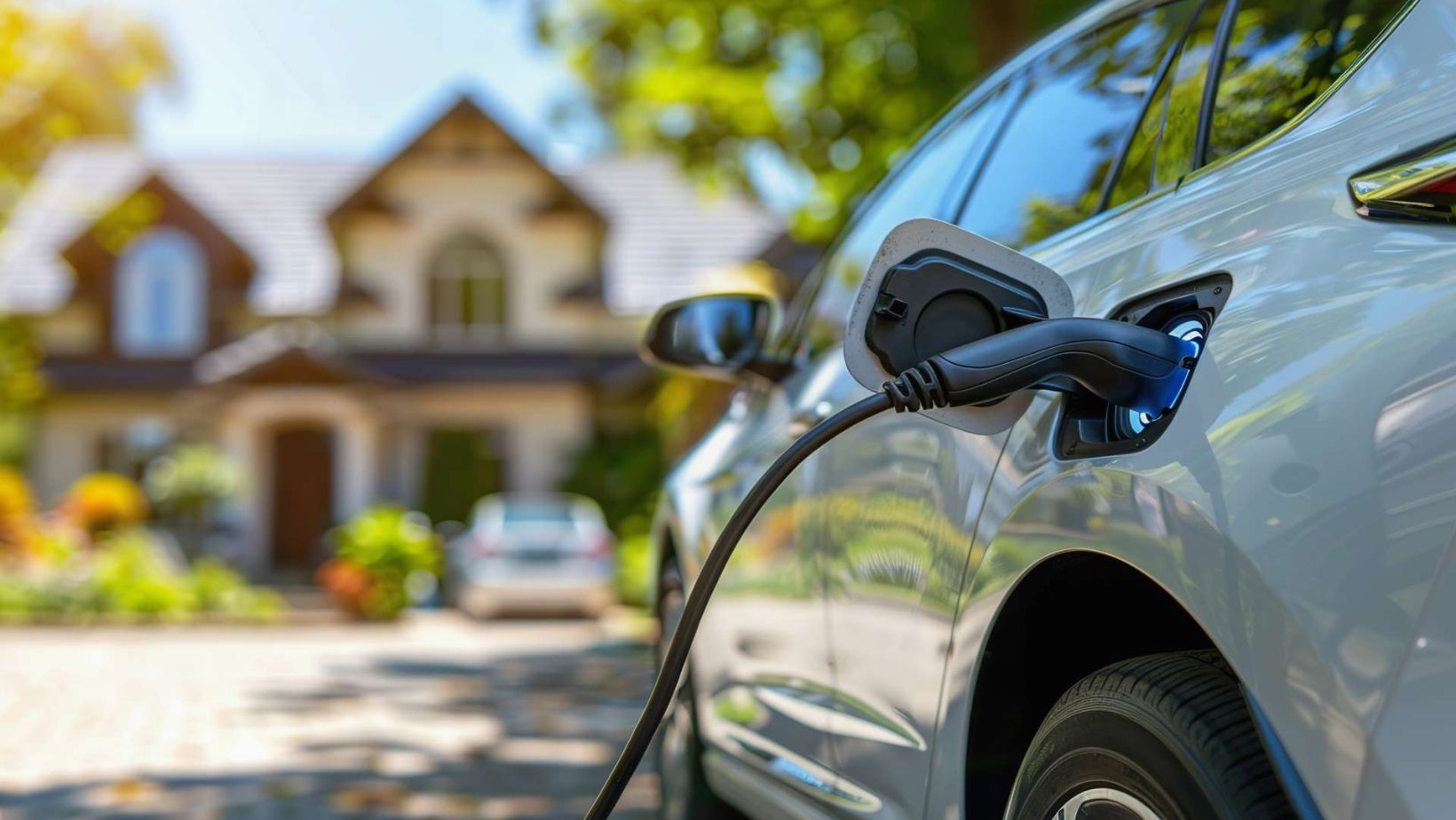
Table of Contents:
- 1. Guaranteed Compatibility: Start With the Car You Drive
- 2. Plug-and-Play Simplicity: How Easy Is Everyday Charging?
- 3. Price Points: Look Beyond the Charger Price
- 4. Advanced Smart Features: The Gap Is Getting Smaller
- 5. Charger Quality: This Is One Area Where You Shouldn’t Shop on Price Alone
- 6. Charging Levels: Level 1 vs. Level 2 Matters More Than the Logo
- 7. Rebates & Incentives: Your Charger Choice Could Affect Eligibility
1. Guaranteed Compatibility: Start With the Car You Drive
One of the strongest arguments for choosing your vehicle manufacturer’s charger is straightforward compatibility.
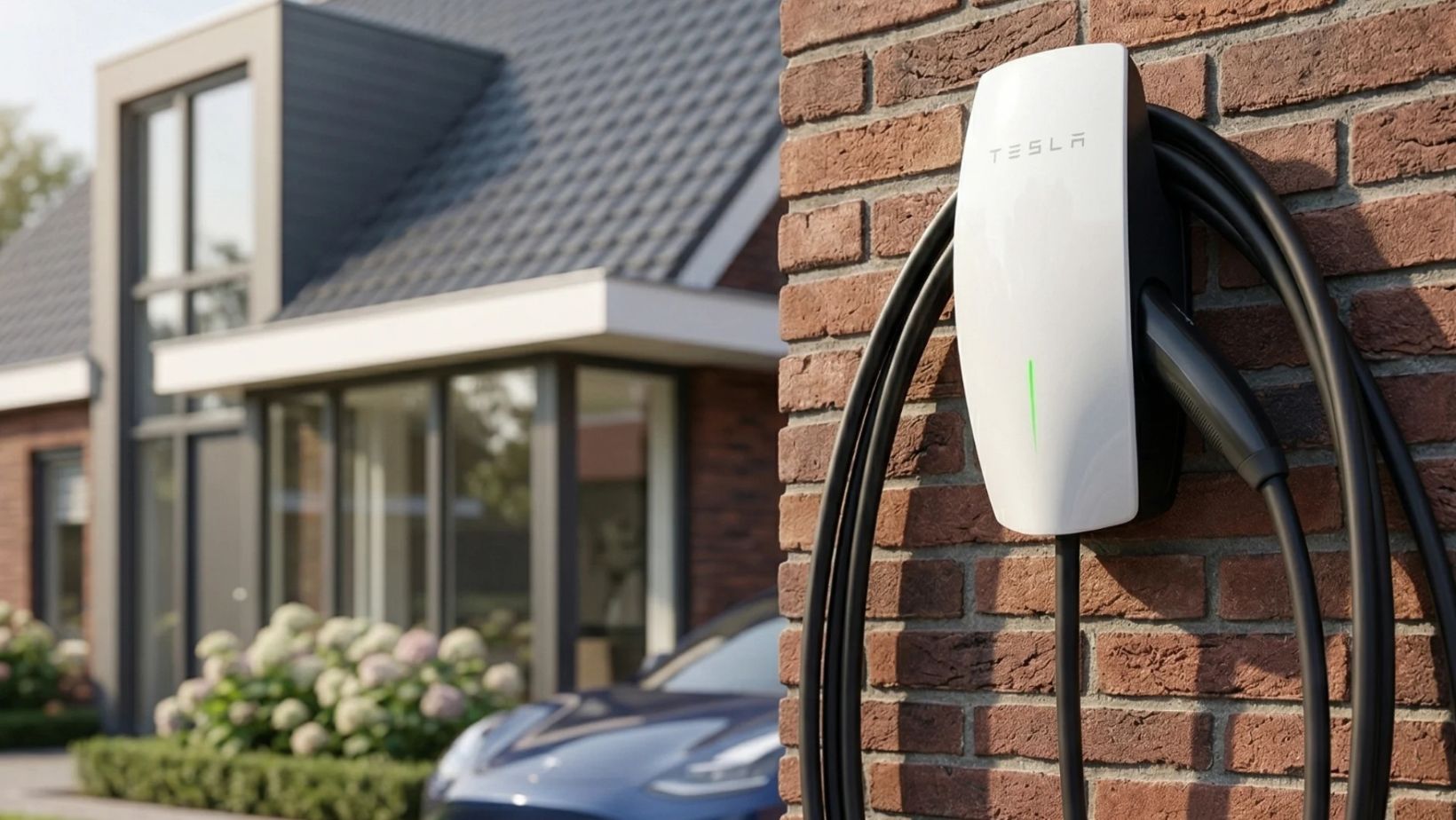
A Tesla owner, for example, can pair the vehicle with a Tesla Wall Connector and stay within the same hardware and software ecosystem. Tesla’s current Wall Connector lineup supports up to 48 amps, while its Universal Wall Connector expands compatibility to both NACS and J1772-equipped EVs.
Third-party chargers can be equally practical, particularly if your household owns different EV brands or expects to switch vehicles.
ChargePoint Home Flex, for example, offers flexible Level 2 charging from 16 to 50 amps, while Wallbox offers chargers designed around broad EV compatibility and home energy management.
For a Boulder County family that owns one EV today but could have two different EV brands five years from now, broader charger compatibility may be worth considering.
What should you ask about EV Charger Compatibility?
1st Choice Electrical Service can evaluate both your current EV and future charging plans before recommending an installation.
2. Plug-and-Play Simplicity: How Easy Is Everyday Charging?
Factory chargers have a natural advantage here.
When the car, charger, and app come from the same manufacturer, the experience can feel more seamless. Plug in, schedule charging, monitor the vehicle, and manage settings within a familiar ecosystem.
But don’t mistake vehicle integration for installation simplicity.
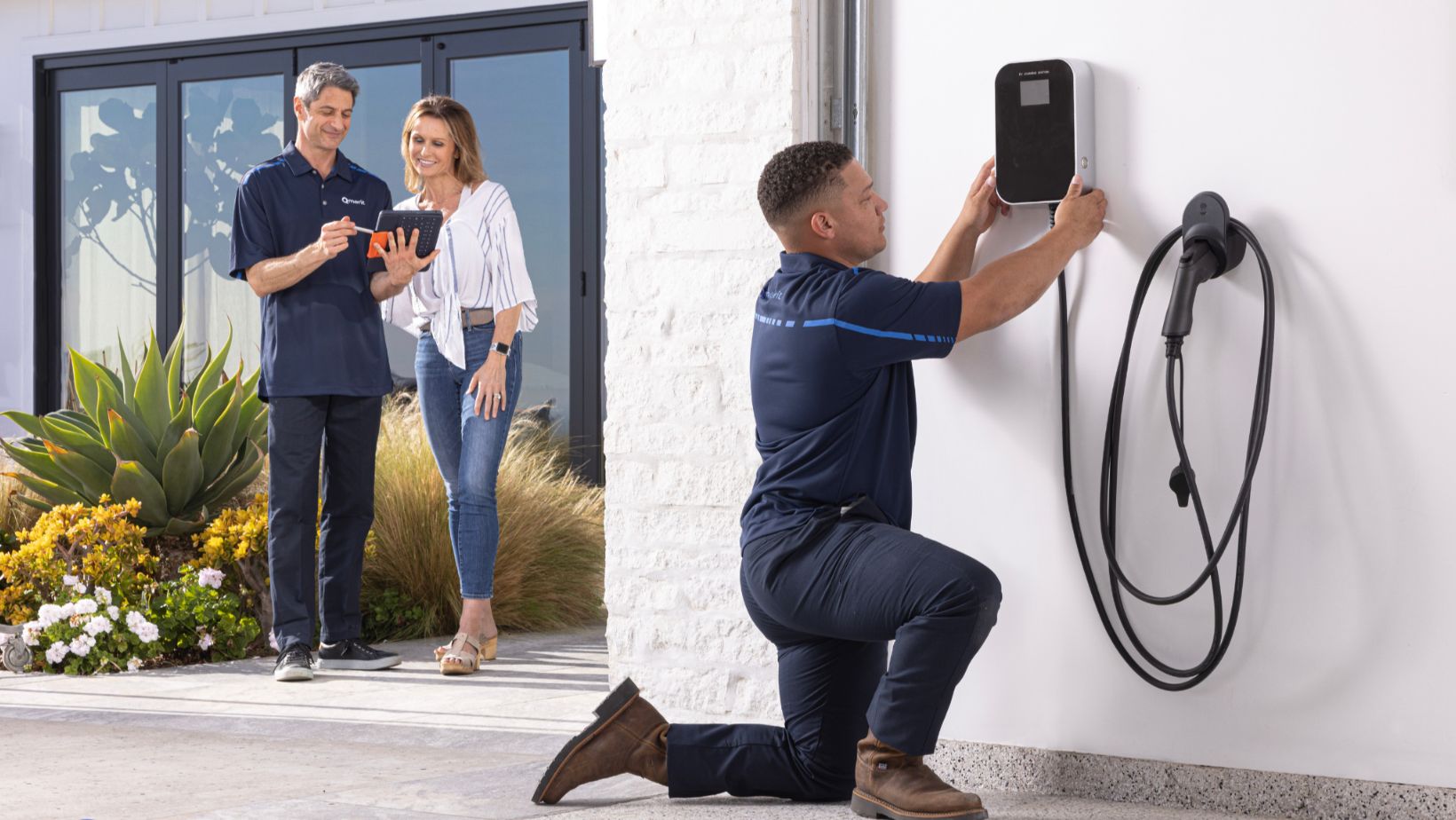
A Level 2 charger still places a substantial electrical load on your home. The electrician needs to consider available panel capacity, circuit requirements, charger amperage, wiring, breaker size, placement, and local electrical requirements.
Third-party chargers can also be extremely user-friendly. ChargePoint Home Flex can be hardwired or configured around certain 240V receptacles, and Wallbox offers app-based controls and energy-management features.
For 1st Choice Electrical Service, the goal isn’t simply getting the charger onto the wall. It’s installing the charger correctly for your home and the way you actually drive.
3. Price Points: Look Beyond the Charger Price
Comparing EV charger prices based only on the box is misleading.
Your real cost may include:
Boulder County estimates that Level 2 equipment plus installation averages around $1,000, but individual homes can vary substantially based on electrical conditions and installation requirements.
A lower-priced charger isn’t necessarily the cheaper project if your electrical infrastructure needs significant work. Likewise, spending more for smart load management could potentially help some homeowners avoid a larger electrical upgrade.
This is where getting a custom quote matters.
1st Choice Electrical Service can inspect your electrical panel and determine what your EV charger installation actually requires before you commit to the equipment.
4. Advanced Smart Features: The Gap Is Getting Smaller
Modern EV chargers do much more than deliver electricity.
Factory chargers often excel at vehicle integration. Tesla, for example, offers charging schedules, usage monitoring, remote diagnostics, Wi-Fi connectivity, and power-management capabilities.
Third-party manufacturers compete aggressively on smart features.
Depending on the charger, homeowners may have access to:
Wallbox takes this particularly far. Its Quasar 2 supports bidirectional charging for compatible vehicles, allowing the home to use energy stored in an EV battery. Its platform also includes scheduling and real-time energy monitoring.
For tech-forward homeowners in Louisville, Lafayette, and Broomfield, these capabilities can make a third-party charger especially attractive.
Where Standby Generators Enter the Conversation
EV charging is increasingly becoming part of a home’s larger energy plan.
If you’re adding a high-demand Level 2 charger while also considering a standby generator, electrical panel upgrade, solar, or other major electrical equipment, don’t view those projects independently.
Your electrician should understand how everything interacts with the home’s available electrical capacity.
1st Choice Electrical Service installs Generac Level 2 EV chargers and standby generators and performs electrical panel upgrades and underground electrical work. That broader expertise can be particularly valuable when you’re planning several electrical improvements rather than simply adding one charger.
5. Charger Quality: This Is One Area Where You Shouldn’t Shop on Price Alone
Inexpensive EV chargers are everywhere online.
That doesn’t make them a good investment.
An EV charger routinely handles a high electrical load for hours at a time. Poor-quality equipment, improper wiring, undersized conductors, bad connections, or an incorrect installation can contribute to overheating, hardware failures, electrical damage, and fire or shock hazards.
Stick with reputable equipment from established manufacturers and have a licensed electrician install your home EV charger.
Brands such as Generac, ChargePoint, Wallbox, and major vehicle manufacturers provide documented specifications, installation requirements, warranties, and technical support.
This is one place where saving a few dollars upfront isn’t worth creating a question mark inside your garage.
6. Charging Levels: Level 1 vs. Level 2 Matters More Than the Logo
The manufacturer’s name doesn’t determine how quickly your EV charges.
Charging level, available amperage, your vehicle’s onboard charging capability, and your home’s electrical capacity all matter.
For homeowners, the comparison generally comes down to:
Boulder County says Level 1 charging can add roughly 40 miles over eight hours, while Level 2 commonly adds around 25 miles of range per hour and can provide a full charge in roughly three to eight hours, depending on the EV.
For homeowners commuting throughout Boulder County or regularly traveling between Northern Colorado and the Denver Metro, Level 2 home charging is often the practical sweet spot.
1st Choice Electrical Service installs Level 2 EV chargers for virtually all vehicle makes and models.
7. Rebates & Incentives: Your Charger Choice Could Affect Eligibility
Colorado remains one of the country’s more EV-friendly markets, but incentives require some homework.
Available programs can depend on:
Boulder County currently identifies home-charging incentives from utilities including Xcel Energy and United Power, with program requirements varying by provider. The county also advises residents to verify current eligibility because incentives can change.
Boulder County’s push toward EV infrastructure goes beyond rebates. Its current building-code amendments include EV-readiness requirements for applicable new residential construction, reflecting the region’s broader movement toward home electrification.
Before buying a charger solely because of a rebate, check the fine print.
Factory EV Charger or Third-Party Charger: What Should You Choose?
There isn’t one answer for every EV owner.
A factory charger can make excellent sense if you value close vehicle integration, plan to remain within the same automotive ecosystem, and like managing everything through one platform.
A third-party charger may be more appealing if you want flexibility across multiple EV brands, advanced energy-management capabilities, or greater freedom to choose features that fit your home.
The better question isn’t: “Which EV charger is best?”
It’s: “Which EV charger is best for my car, my home, my electrical panel, and the way I drive?”
That’s where professional guidance becomes valuable.
Get an EV Charger Installation Quote from 1st Choice Electrical Service
Buying an electric vehicle is about making life more convenient. Your home charging setup should do the same.
1st Choice Electrical Service installs EV chargers for homeowners throughout Boulder County and Northern Colorado, including Louisville, Lafayette, Lyons, Nederland, Ward, Jamestown, Broomfield, Estes Park, and surrounding communities.
Already considering other electrical improvements? We can also discuss electrical panel upgrades, standby generators, and underground wiring as part of your home’s larger electrical plan.
Contact1st Choice Electrical Service today to request your EV charger installation quote and find the charger that fits your vehicle, your home, and where the road takes you next.